






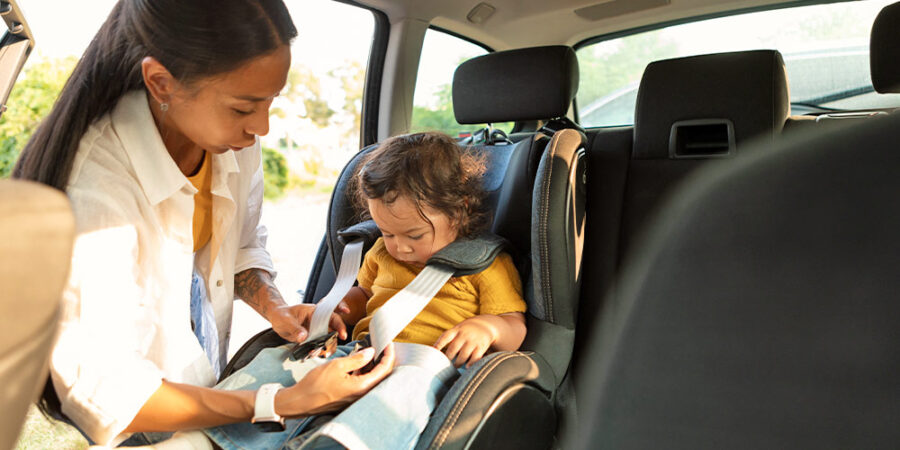
Every trip in the car is an opportunity to protect a child. Whether you’re driving across town or taking a long road trip, using the right car seat correctly can significantly reduce the risk of serious injury in a crash.
Choose the Right Car Seat
Car seats are designed for children at different stages of growth. Infants and toddlers should ride in rear-facing seats for as long as possible, until they reach the seat’s height or weight limit. Once they outgrow a rear-facing seat, children should transition to a forward-facing seat with a harness and top tether.
Older children who have outgrown forward-facing seats should use a belt-positioning booster seat until the vehicle’s seat belt fits properly. A seat belt should lie snugly across the upper thighs—not the stomach—and across the chest and shoulder—not the neck or face.
Install the Seat Correctly
A properly chosen car seat is only effective when it is installed correctly. Follow both the car seat manufacturer’s instructions and your vehicle owner’s manual. The seat should be secured tightly, with little to no movement from side to side or front to back.
Whenever possible, have the installation checked by a certified Child Passenger Safety Technician. A professional inspection can help identify common problems and provide personalized guidance.
Use the Harness Properly
The harness should fit snugly against the child’s body. It should not be twisted, and you should not be able to pinch any extra webbing at the shoulder. For rear-facing seats, harness straps should come from at or below the child’s shoulders. For forward-facing seats, they should come from at or above the shoulders.
Remove bulky coats and jackets before buckling a child into the harness. Thick clothing can create extra space between the child and the straps, reducing protection in a crash. Instead, place a blanket over the secured harness to keep the child warm.
Keep Children in the Back Seat
Children are safest in the back seat, properly restrained in an age- and size-appropriate car seat, booster seat, or seat belt. Never place a rear-facing car seat in front of an active passenger airbag. Airbags are designed for adults and can seriously injure young children.
Avoid Common Mistakes
Even small mistakes can affect a child’s safety. Avoid using a car seat that has expired, has been recalled, or has been involved in a moderate or severe crash. Do not add aftermarket products, such as unapproved padding or head supports, unless they came with the seat or are specifically approved by the manufacturer.
Never leave a child unattended in or around a vehicle. Cars can heat up quickly, even when the outside temperature feels mild. Always check the back seat before locking the vehicle and keep vehicles locked when they are not in use.
Make Safety a Habit
Child passenger safety is not a one-time task. Recheck the car seat as your child grows, review the harness fit regularly, and update the seat when your child reaches a new stage. Encourage every caregiver—including family members, babysitters, and other drivers—to follow the same safety practices.
By choosing the right restraint, installing it correctly, and using it every time, parents and caregivers can help make every journey safer. A few extra minutes spent checking a car seat can provide protection that lasts for years.
Should you or a family member be in an accident that results in injuries, you may have a claim. The first thing you should do is contact a personal injury attorney. When a skilled attorney represents you, you’ll have your best chance of being fairly compensated for any injuries that you sustain in an accident.
Call Jacobson, Schrinsky & Houck in Milwaukee TODAY at (414) 223-4444 to have one of our caring lawyers come out to meet you. Get money for your injuries and car accident help TODAY. There is no fee until we win.
Car Accident Attorneys – Jacobson, Schrinsky & Houck – Experience – Compassion – Results
#JSHLaw #MilwaukeeCarAccidentLawyer #CarAccidentHelpToday #NoFeeUntilWeWin #Money4Injuries #JSHWins #JSHCanHelp #JustCallJSH #AreYouOK #ChildPassengerSafety