






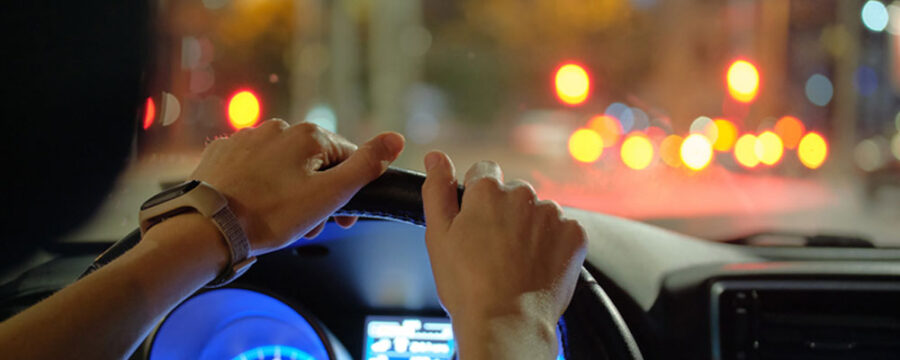
As Daylight Saving Time (DST) comes to an end each fall, many people notice the earlier sunsets and longer nights. Even though the practice of “falling back” gives us all an extra hour of sleep on that one day, this shift has some unintended consequences, especially for drivers on Wisconsin’s roads.
One crucial question arises: Does less daylight during the evening hours increase the risk of car accidents? Let’s take a closer look at how the end of DST might impact car accident risks and what drivers can do to stay safe.
The Science Behind Daylight and Driving Risks
Research has long established that darkness negatively impacts driving safety. When the sun sets earlier after the time change, drivers are faced with reduced visibility, making it harder to spot hazards such as pedestrians, cyclists, and other vehicles. Poor lighting can also lead to delayed reaction times and difficulty judging distances, both of which can increase the likelihood of car accidents. Moreover, twilight hours—just after the sun sets—can be particularly dangerous because of the sudden change in light levels that can temporarily impair vision.
In fact, according to the National Highway Traffic Safety Administration (NHTSA), fatal car accidents are three times more likely to occur at night than during the day. This statistic demonstrates the significant dangers posed by reduced lighting, particularly during the early evenings when traffic volume tends to be high as people commute home from work or school.
Fatigue and the Time Change: An Overlooked Risk
Beyond the reduction in daylight, the time change itself can cause disruptions to our internal clocks, or circadian rhythms. Studies show that the switch between DST and Standard Time can affect sleep patterns, making some drivers drowsy or fatigued in the days following the change. Fatigue is a well-known factor in many car accidents, contributing to slower reaction times and lapses in concentration. Even an hour of lost sleep can make a significant difference when drivers are behind the wheel.
While it might not seem like much, the disruption to your routine caused by the end of DST can result in feeling groggier and less alert during your daily drive. This fatigue combined with low visibility creates a dangerous combination, heightening the risk of car accidents.
The Wisconsin Perspective: Are Car Accidents More Common After Daylight Saving Time?
In Wisconsin, where roads are busy with both commuter and highway traffic, the risks associated with less daylight are particularly pronounced. Statistically, car accidents in the state tend to spike during the late afternoon and early evening hours. When we turn back the clocks and the evening commute takes place in darkness, the chances of an accident happening may rise.
Moreover, Wisconsin’s fall and winter seasons bring their own set of challenges, such as rainy weather and icy roads. When you add the factor of decreased daylight to already hazardous road conditions, the dangers multiply. It’s essential for drivers to stay extra vigilant during this time of year.
Preventive Measures: How Drivers Can Stay Safe After DST Ends
There are several ways drivers can reduce the risks associated with less daylight and the end of DST. By following these best practices, you can protect yourself and others on the road:
Adjust Your Driving Habits
Reduce your speed, especially during the early evening hours when visibility is limited. Slower speeds allow for greater reaction times in low-light conditions.
Furthermore, be sure to maintain a safe distance from the vehicle in front of you. Tailgating can increase the chances of rear-end collisions, especially when visibility is poor.
Use Your Headlights Properly
Make sure your headlights are in good working condition and use them during twilight and night hours. Remember to switch them on before dusk fully sets in to ensure other drivers can see you.
Avoid using high beams when other vehicles are approaching, as this can temporarily blind oncoming drivers.
Stay Alert for Pedestrians and Cyclists
Pedestrians and cyclists may be harder to see in the dark. Pay close attention to crosswalks and bike lanes, especially in residential areas where people are more likely to be walking or cycling after dark.
Always stop for pedestrians in crosswalks, as required by Wisconsin law, and give cyclists plenty of space when passing.
Combat Drowsy Driving
Ensure you get enough sleep, especially in the days following the end of DST when your internal clock might still be adjusting.
If you find yourself feeling drowsy while driving, pull over to a safe spot to rest or switch drivers if possible.
Should you or a family member be in an accident where injuries are sustained, the first thing you should do is contact a personal injury attorney. When you are represented by a skilled attorney, you’ll have your best chance of being fairly compensated for any injuries that you sustain in an accident.
Call Jacobson, Schrinsky & Houck in Milwaukee TODAY at (414) 223-4444 to have one of our caring lawyers come out to meet you. Get money for your injuries and car accident help TODAY. There is no fee until we win.
Car Accident Attorneys – Jacobson, Schrinsky & Houck – Experience – Compassion – Results
#jshlaw #caraccidenthelptoday #nofeeuntilwewin #money4injuries #milwaukeecaraccidentlawyer #accident #jshwins #jusetcalljsh #heretohelp #daylightsavings #fallback #drivingdangers